Products

Cassava

...

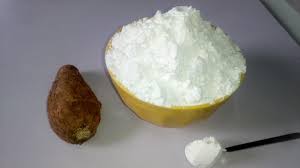
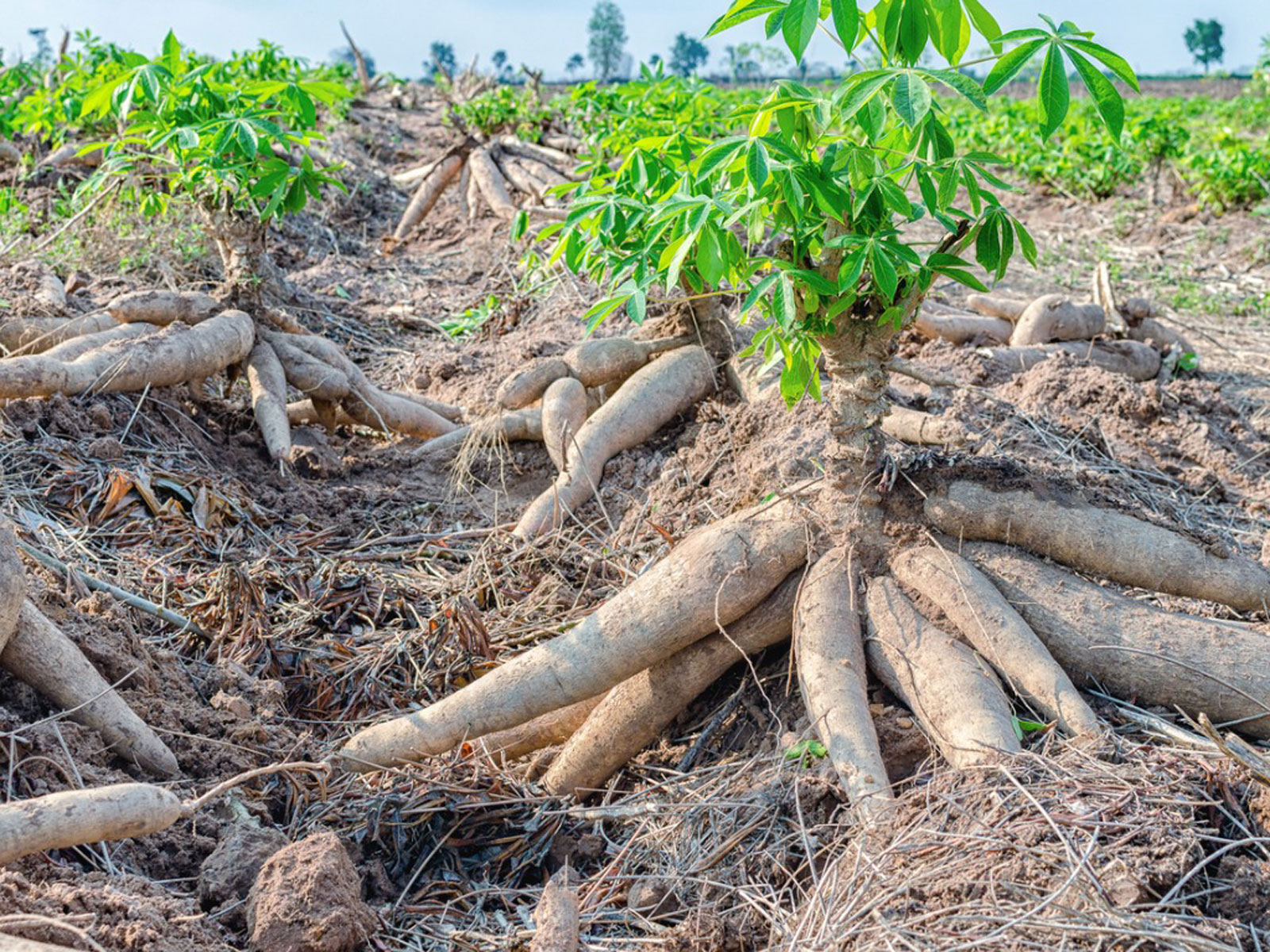
The cassava root is long and tapered, with a firm, homogeneous flesh encased in a detachable rind, about 1 mm thick, rough and brown on the outside. Commercial cultivars can be 5 to 10 centimetres (2 to 4 inches) in diameter at the top, and around 15 to 30 cm (6 to 12 in) long. A woody vascular bundle runs along the root's axis.

The flesh can be chalk-white or yellowish. Cassava roots are very rich in starch and contain small amounts of calcium (16 mg/100 g), phosphorus (27 mg/100 g), and vitamin C (20.6 mg/100 g). However, they are poor in protein and other nutrients. In contrast, cassava leaves are a good source of protein (rich in lysine), but deficient in the amino acid methionine and possibly tryptophan.
Corn

...

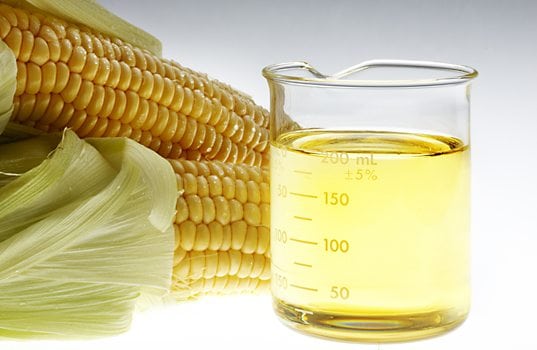
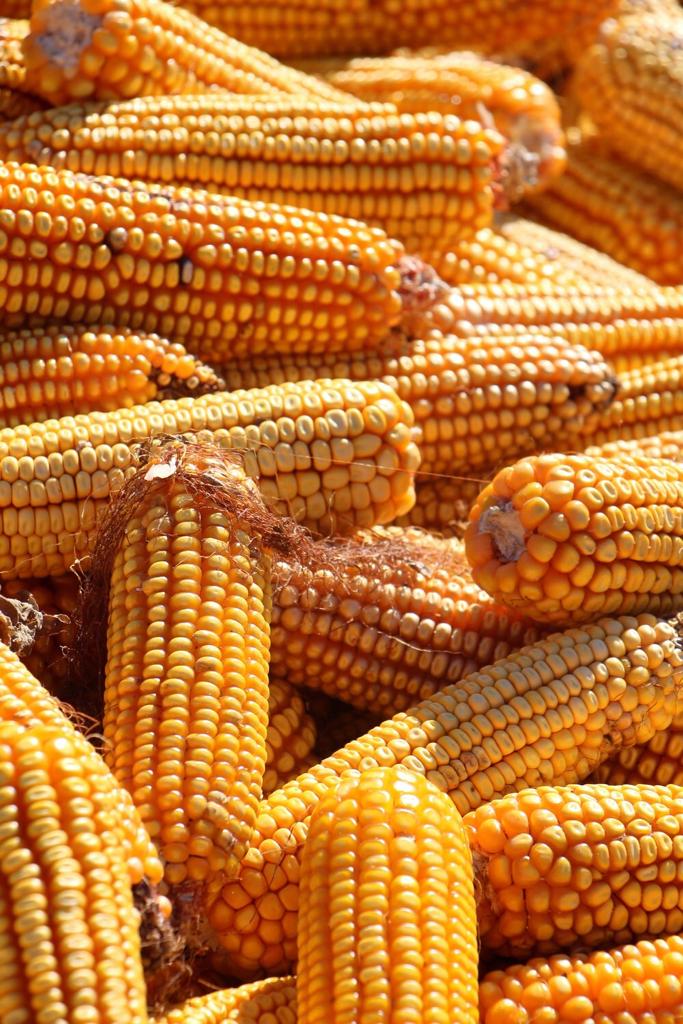
Maize has become a staple food in many parts of the world, with the total production of maize surpassing that of wheat or rice. In addition to being consumed directly by humans (often in the form of masa), maize is also used for corn ethanol, animal feed and other maize products, such as corn starch and corn syrup.

Watermelon

...

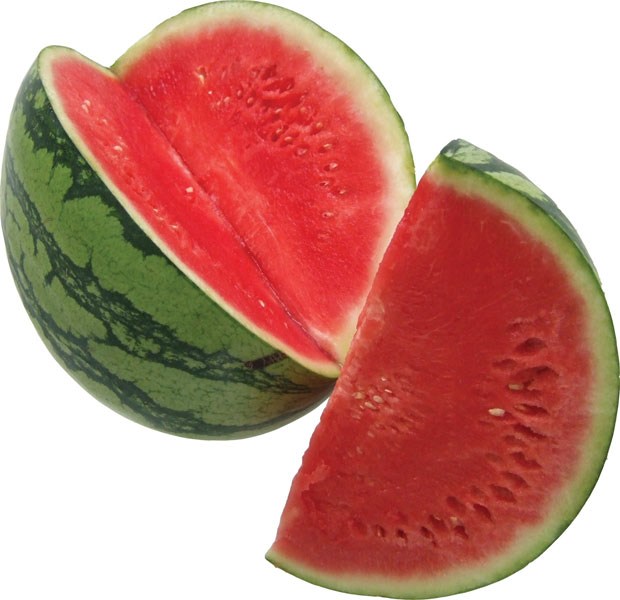
The watermelon is an annual that has a prostrate or climbing habit. Stems are up to 3 metres (10 feet) long and new growth has yellow or brown hairs. Leaves are 60 to 200 millimetres (2+1⁄4 to 7+3⁄4 inches) long and 40 to 150 mm (1+1⁄2 to 6 in) wide. These usually have three lobes that are lobed or doubly lobed.

Flour

...

Cassava flour is made by grating and drying the fibrous cassava root. It's a great substitute for wheat and other flours. You can use it in any recipe that calls for wheat flour, making baking and cooking gluten-free meals easy. Cassava flour is very rich in carbohydrates.

Starch

...

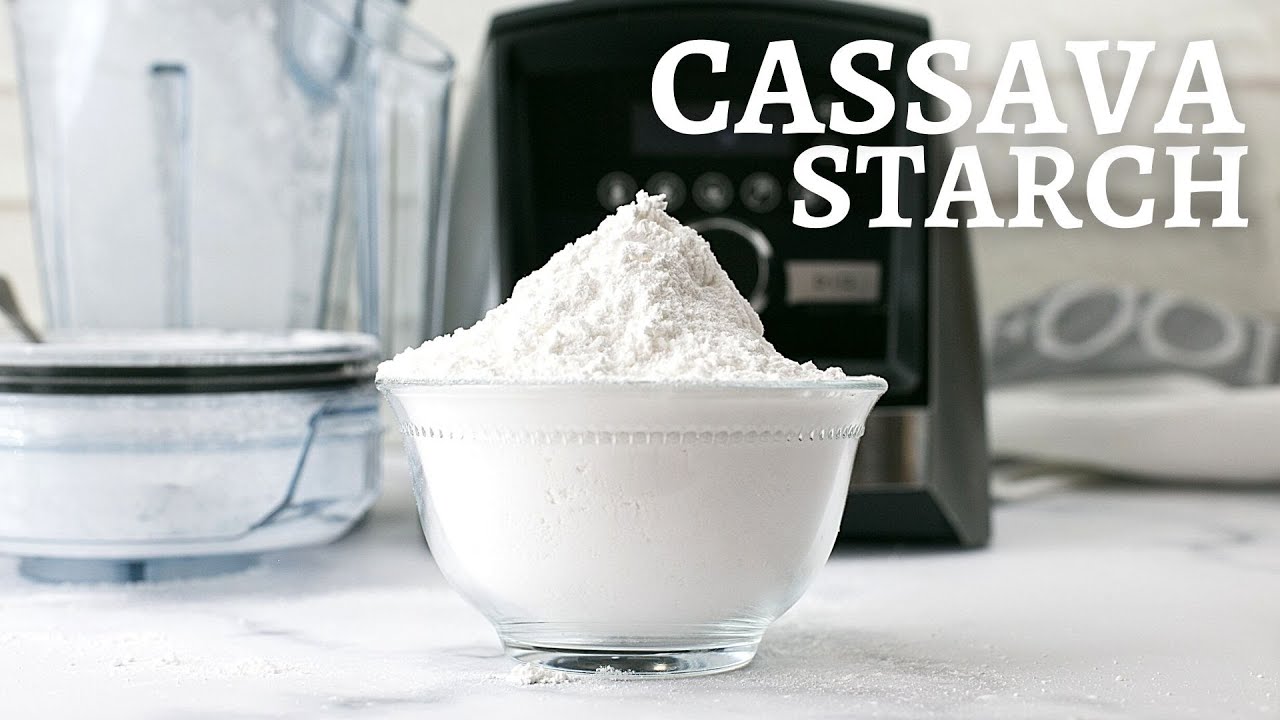
Starch is a soft, white, tasteless powder that is insoluble in cold water, alcohol, or other solvents. Starch is a polysaccharide comprising glucose monomers joined in α 1,4 linkages. The simplest form of starch is the linear polymer amylose; amylopectin is the branched form.

Corn Ethanol

...

Corn ethanol is produced from corn biomass and is the main source of ethanol fuel in the United States. Corn ethanol is produced by ethanol fermentation and distillation. It is debatable whether the production and use of corn ethanol results in lower greenhouse gas emissions than gasoline. Approximately 25% of U.S. corn crop lands are used for ethanol production.

Animal Feed

...

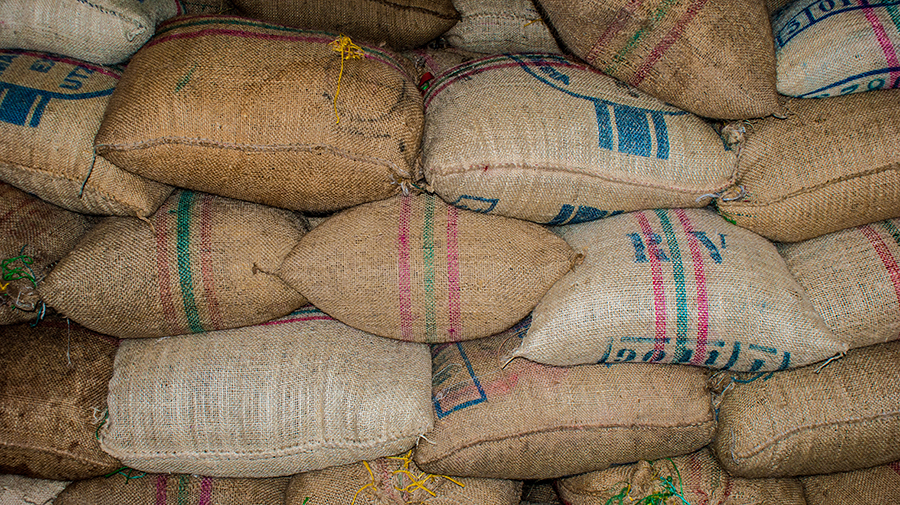
These refers to dry cassava leaves, cassava peels, corn hay and bay. which serves as food for livestock animals.

Return to Homepage